
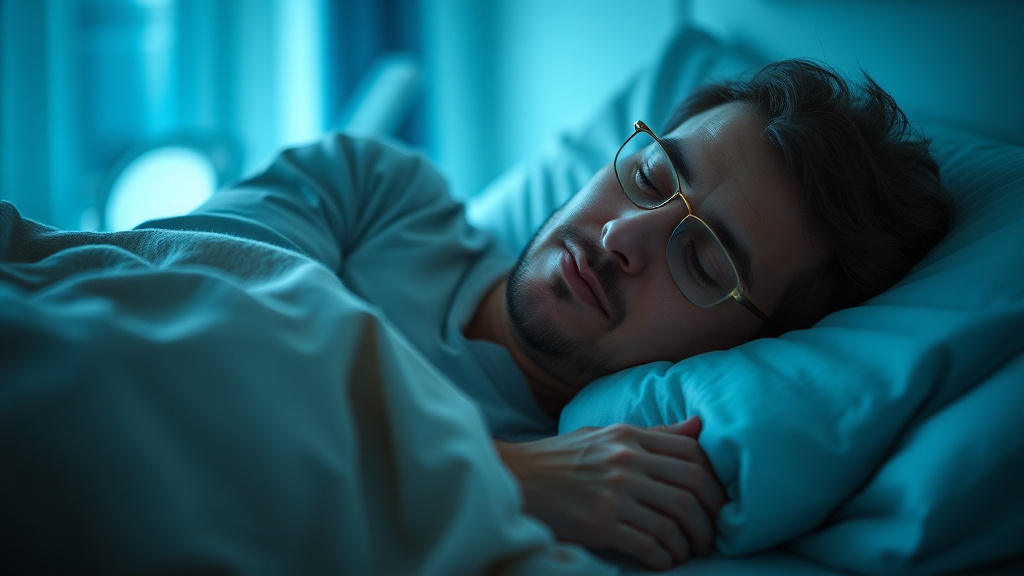
Did you know that missing even a single night of restorative rest can weaken your immune defenses? A cutting-edge recent study unveils the compelling link between sleep and immunity, revealing how poor sleep directly compromises your body’s ability to fight illness and infection. Discover the scientific basis of this vital relationship, explore the mechanisms that connect sleep with immune health, and learn practical strategies to improve your rest for maximum health protection. Your next good night’s sleep could be the key to staying healthy.
The Link Between Sleep and Immune Response
Sleep is not simply a period of rest; it is a vital time when your immune system actively strengthens its defenses. During sleep, your body produces cytokines, which are key compounds that help combat infections, inflammation, and stress. When you consistently get quality sleep, your immune cells become better equipped at identifying and eliminating harmful pathogens. This process is fundamental to maintaining optimal health and preventing illness. Research demonstrates that individuals who prioritize sleep experience less frequent illness and recover faster from illnesses.
The connection between hours of sleep and immune competence is strikingly straightforward and quantifiable. Studies show that adults sleeping fewer than six hours per night have substantially reduced immune responses versus those sleeping seven to nine hours. Your natural killer cells, which are crucial for combating viruses and malignant cells, become less active with inadequate sleep. Additionally, lack of sleep undermines the production of antibodies that protect against infections. This explains why sleep-deprived individuals are more vulnerable to colds, flu, and other communicable diseases.
The timing and quality of your sleep are important just as much as quantity. Deep sleep stages, particularly slow-wave sleep, are when your immune system undergoes the most substantial restoration and strengthening. During these phases, your body increases the production of white blood cells and improves their ability to recognize and respond to threats. Sleep disruption, even if you’re in bed for eight hours, can keep you from attaining these restorative stages. Maintaining consistent sleep schedules helps synchronize your circadian rhythm, optimizing immune function throughout your body.
Chronic sleep deprivation creates a vicious cycle that compromises immune function over time. Poor sleep elevates cortisol and other stress hormones, which suppress immune function and increase inflammation throughout your body. This inflammatory condition makes you more vulnerable to infections and can worsen existing health conditions. Furthermore, sleep loss compromises the lymphatic system’s function in eliminating waste products and pathogens from your body. Understanding this link emphasizes why developing good sleep practices is one of the most important investments you can make in your sustained health and illness prevention.
The immune system’s need for sleep applies to vaccine effectiveness as well. Research indicates that people who are well-rested produce stronger immune responses to vaccinations in contrast with sleep-deprived individuals. This means that getting adequate sleep before and after receiving vaccines can markedly boost their protective benefits. Your body needs adequate sleep to produce the antibodies necessary for immunity. This finding highlights the importance of prioritizing sleep during flu season and other periods when vaccinations are suggested.
Understanding the sleep-immunity connection enables you to manage your health through enhanced sleep routines. By recognizing that sleep is a dynamic physiological function essential for immune function, you can understand why compromising sleep for performance is ultimately self-defeating. Restorative sleep reinforces your immune system, accelerates healing from sickness, and contributes to your wellbeing. The evidence is evident: prioritizing quality sleep is building a more robust immunity and better health outcomes for years to come.
How Poor Sleep Compromises Your Immunity
The Immune System’s Reaction During Lack of Sleep
When you regularly struggle to get sufficient sleep, your body’s immune system becomes severely weakened. During sleep, your body’s defenses produces immune proteins, which are critical molecules that help defend against infections and swelling. Without sufficient rest, cytokine production drops sharply, leaving you vulnerable to viruses and bacteria. Research shows that sleep-deprived individuals have lower counts of white blood cells, making it increasingly challenging for your body to launch a strong defense against harmful microorganisms and sickness.
The consequences of poor sleep extend beyond immediate vulnerability. Your body’s ability to create antibodies—crucial components for ongoing immunity—reduces substantially with inadequate rest. Studies demonstrate that people getting fewer than six hours nightly display significantly weaker vaccine responses and slower recovery from infections. This creates a dangerous cycle where fatigue perpetuates illness, which further compromises sleep quality, leaving your immune system increasingly vulnerable against serious and common health threats.
Chronic Disease Risk and Inflammation
Poor sleep causes elevated levels of inflammatory markers throughout your body, a condition that researchers now recognize as a primary link linking sleep deprivation to immune dysfunction. When inflammation remains unmanaged, it leads to chronic diseases including heart disease, diabetes, and autoimmune disorders. Your body’s inherent anti-inflammatory mechanisms depend heavily on restorative sleep stages, particularly REM and deep sleep, where immune regulation occurs most effectively.
The inflammatory cascade triggered by sleep loss produces systemic problems that stretch well beyond temporary illness susceptibility. Chronic sleep deprivation has been associated with higher likelihood of developing autoimmune conditions, where the immune system wrongly assaults healthy cells. Additionally, inadequate sleep hastens aging of white blood cells, impairing their capacity and heightening susceptibility to infections across all age groups. Recognizing this inflammatory process emphasizes why sustained, high-quality sleep is critical to maintaining robust immune function.
Circadian Rhythm Disruption and Immune System Timing
Your immune system follows a circadian rhythm, with different immune functions peaking at specific times throughout the day and night. When you disrupt your sleep schedule through inconsistent sleep times or lack of proper rest, you desynchronize this precisely coordinated immune timing. This disruption reduces your body’s capacity to coordinate immune responses effectively, reducing the precision and power of your defense mechanisms against harmful pathogens and illnesses.
Research shows that night shift workers and individuals with irregular sleep patterns face significantly higher rates of infections and immunity-linked conditions. Your body’s innate immune cycle evolved over millennia to align with daylight and darkness cycles, optimizing pathogen defense during sleep hours. When sleep quality deteriorates or schedules become erratic, this ancient biological synchronization breaks down, undermining your immune system’s function and efficiency at the molecular level.
Useful Strategies to Boost Sleep Performance for Stronger Immune Function
Grasping the relationship between sleep and immunity is just the first step toward improved wellness. The real transformation starts when you implement actionable steps to boost your sleep quality consistently. By making strategic changes to your everyday routines and sleeping space, you can markedly increase the recovery advantages your body gets during downtime. These evidence-based suggestions will help you build enduring sleep routines that strengthen your immune system and advance overall health for the long term.
Sleep Hygiene Essentials
Sleep hygiene encompasses the range of habits and environmental factors that support steady, high-quality sleep. Establishing a strong sleep hygiene routine establishes the optimal environment for your body to reach deep, rejuvenating sleep stages where immune system repair occurs most efficiently. Evidence demonstrates that people who practice proper sleep hygiene practices experience fewer infections and stronger immune reactions. Adopting these practices requires minimal time investment but produces substantial improvements in sleep quality and immune function. Begin by reviewing your present sleep habits and gradually incorporate these recommendations into your evening schedule for best outcomes.
Creating an optimal sleep environment involves focus on multiple factors that influence how well you rest. Heat levels, light exposure, noise levels, and sleep surface comfort all play crucial roles in determining sleep effectiveness. Your bedroom should be a dedicated space dedicated exclusively to sleep and relaxation, devoid of work-related stress and electronic interruptions. By methodically tackling each environmental factor, you can redesign your bedroom into a sleep-promoting space. Consistency in maintaining these conditions signals your body that it’s time to rest, helping regulate your circadian rhythm and improving overall immune function.
- Establish steady sleep schedule each day
- Keep bedroom climate around sixty-five degrees
- Reduce blue light one hour before bedtime
- Limit alcohol and caffeine before sleep
- Work out consistently but avoid doing so before bed
