
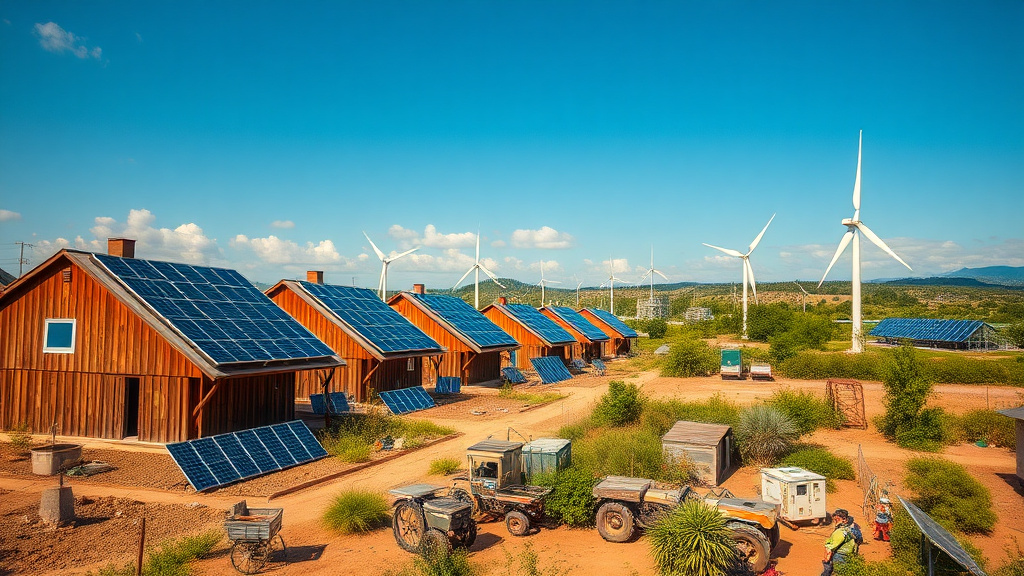
The global shift toward renewable energy is achieving historic momentum as governments worldwide release substantial funding and policy support for clean power infrastructure. From solar and wind farms to hydroelectric projects, nations are rapidly investing in clean energy alternatives to combat climate change and reduce carbon emissions. This article explores how government initiatives, funding mechanisms, and international cooperation are speeding up renewable energy adoption globally, revolutionizing energy landscapes and transforming the future of global power generation.
International Public Sector Funding Increase in Renewable Energy
Record-Breaking Investment Commitments
Governments around the world are channeling significant capital to sustainable energy systems, representing a transformative shift in energy policy. In 2023 alone, government spending in clean energy reached an estimated $300 billion, reflecting a notable growth from previous years. Top economic powers like the United States, European Union nations, and China are committing considerable funding toward solar and wind power initiatives. These expenditures underscore heightened acknowledgment of environmental necessity and the enduring economic gains of transitioning away from fossil fuels. Focused financial strategies are building thriving markets for clean energy solutions and bringing in additional private sector participation.
The acceleration of government investment is motivated by various drivers, including reduced renewable equipment expenses and increased ecological consciousness among policymakers. International climate agreements and national net-zero commitments have created legal frameworks requiring substantial clean energy investments. Developing nations are getting greater financial support through global development organizations and climate finance mechanisms, allowing greater international engagement. These joint investment initiatives demonstrate that renewable energy transition is not discretionary but critical to national economic and environmental security. Governments understand that prompt capital deployment establishes their advantage in the emerging clean energy economy.
Strategic funding distribution reveals governments’ focus on comprehensive energy transformation across diverse sectors. Funds are directed toward grid modernization, battery technology, and smart infrastructure development combined with conventional power generation. Public-private partnerships are enabling technology sharing and accelerating innovation in technology in renewable sectors. Funding for workforce development programs secures access to qualified personnel for growing renewable industries. This holistic approach tackles infrastructure shortfalls while generating employment opportunities and stimulating economic development in regions transitioning from coal and gas dependency.
Policy Structures and Incentive Structures
Governments are rolling out extensive regulatory frameworks intended to accelerate renewable energy adoption through strategic incentives and regulatory tools. Power purchase agreements, investment tax credits, and clean energy requirements foster beneficial circumstances for project implementation and rollout. These policies lower cost obstacles for both large-scale and decentralized renewable installations, promoting involvement across domestic, business, and industrial sectors. Streamlined permitting processes and zoning regulations support more rapid project rollout, shortening development cycles for renewable energy solutions. Coordinated policy approaches across territories strengthen market trust and market stability.
Financial assistance initiatives and economic support mechanisms have demonstrated success in rendering renewable energy economically competitive with conventional power sources. Tax incentives, grants, and favorable financing options lower capital requirements for renewable projects, enhancing accessibility for various participants. Governments are also establishing emissions pricing systems that raise fossil fuel costs while making renewables more attractive economically. These support frameworks are strategically crafted to ensure cost-effectiveness while preventing market distortions. Progressive policy frameworks continue evolving to address emerging challenges and improve renewable energy integration within current energy infrastructure.
Global Partnership and Climate Commitments
Global climate accords are driving unprecedented international cooperation on clean energy expansion and implementation initiatives. The Paris Accord and later environmental conferences create enforceable obligations requiring nations to expand renewable energy portions within their energy mixes. Advanced economies are delivering financial support and know-how to less developed nations, ensuring equal availability to clean energy technologies. International organizations manage financial frameworks and information exchange systems that accelerate technology transfer across borders. These collaborative efforts understand that climate change crosses country lines, requiring coordinated global action.
International development institutions are mobilizing capital specifically designated for sustainable energy programs in developing economies and emerging regions. Climate funding frameworks now surpass $100 billion each year, supporting transition efforts in economies with limited internal resources. Knowledge-sharing programs promote knowledge transfer regarding leading methods for renewable energy adoption and system integration. International standards and verification protocols guarantee implementation quality and environmental compliance throughout various geographic areas. This worldwide collaboration enhances combined capability to confront climate problems while promoting sustainable development globally.
Key Technologies Driving the Green Energy Shift
The expansion of renewable energy adoption is driven by technological breakthroughs that make renewable energy increasingly efficient and cost-effective. photovoltaic solar systems, wind power installations, and energy storage systems have progressed substantially, lowering manufacturing expenses and boosting operational efficiency. Government investments focus on R&D, allowing advancements that boost energy transformation efficiency and grid connectivity features. These technical developments provide market advantages for sustainable energy options over fossil fuel alternatives, accelerating global deployment and deployment globally.
Solar and Wind Leadership in Energy
Solar energy technology remains at the forefront of renewable energy expansion, with photovoltaic efficiency improvements and manufacturing scale driving dramatic cost reductions. Government subsidies and tax incentives encourage residential and commercial solar installations globally. Sophisticated tracking technology maximize energy capture throughout the day, while improved panel durability extends operational lifespans. These developments position solar as the fastest-growing renewable energy source, drawing substantial private and public investment across developed and developing nations alike.
Wind energy stands as a foundation of clean energy approaches, with onshore and offshore installations producing considerable electrical generation. Today’s wind installations feature greater power outputs and improved blade designs that enhance energy production in diverse wind environments. Regulatory incentives through tariff mechanisms and sustainability requirements accelerates wind project expansion. Advances in technology in turbine design and system interconnection strengthen reliability and efficiency, making wind energy more cost-effective with fossil fuel alternatives worldwide.
New Technologies and Innovation
Beyond conventional solar and wind solutions, innovative technologies are poised to revolutionize renewable energy generation and storage capabilities. Fuel cell technology, advanced battery systems, and geothermal energy exemplify frontier technologies attracting substantial public research investment. Artificial intelligence and machine learning optimize energy distribution networks and forecast renewable output patterns. These emerging solutions resolve intermittency challenges and strengthen grid stability, creating comprehensive renewable energy ecosystems that support sustainable power generation and consumption patterns worldwide.
Government investment in next-generation renewable technologies demonstrates commitment to long-term energy sustainability and climate objectives. Tidal energy, wave power, and concentrated solar power technologies expand in regions with suitable geographic conditions. Energy storage developments, particularly modern battery solutions and pumped hydro systems, overcome renewable energy intermittency challenges. International cooperation accelerates technology transfer and standardization, enabling developing nations to leapfrog traditional energy infrastructure and embrace renewable solutions that drive economic growth while reducing environmental impact.
- Battery storage systems strengthen clean energy dependability and power grid connectivity.
- Hydrogen production technologies provide clean fuel alternatives for transport industries.
- Intelligent grid networks optimize power distribution and consumption patterns effectively.
- Geothermal power provides reliable baseload energy in seismically active areas.
- Floating photovoltaic systems maximize clean energy output in water environments.
Economic and Ecological Impact
Economic Benefits and Employment Growth
The sustainable energy sector is driving substantial economic growth and job creation across the planet. Public funding in solar, wind, and hydro projects produce millions of jobs in production, setup, upkeep, and development sectors. Countries embracing renewable energy technologies enjoy decreased energy spending over time, improved energy security, and increased competitiveness in the global green technology market. Local communities benefit from emerging commercial prospects and tax income, while households enjoy decreased utility expenses as renewable capacity expands and running expenses decrease.
Financial institutions are increasingly recognizing renewable energy as a lucrative investment opportunity. Green bonds, climate funds, and government subsidies attract private capital into green initiatives, creating a strong economic framework. The transition creates opportunities for trained professionals, engineers, and skilled workers, promoting learning and development initiatives across the globe. Manufacturing supply chains for renewable components stimulate industrial growth, notably in developing countries establishing themselves as renewable energy leaders. This economic momentum illustrates that sustainability and profitability are aligned priorities.
Environmental and Climate Benefits
Adopting renewable energy directly reduces GHG emissions and mitigates climate change at an increasingly rapid rate. Unlike fossil fuels, solar and wind energy alongside hydroelectric power create electricity without releasing greenhouse gases or toxic pollutants into the atmosphere. This transition significantly improves air quality, decreasing lung diseases and healthcare costs in regions adjacent to energy facilities. Renewable energy protects ecosystems by removing harmful acid rain, water contamination, and thermal pollution associated with conventional power plants, protecting wildlife and natural resources.
Government-supported renewable projects play a significant role to achieving global climate objectives outlined in the Paris Agreement. As renewable capacity expands globally, cumulative emissions reductions increase dramatically, creating tangible advancement toward limiting global temperature rise. Clean energy infrastructure protects water resources by reducing consumption demands from thermal power plants and removing pollution hazards. The environmental benefits go further than immediate emissions reductions, promoting sustained environmental wellness, ecosystem resilience, and long-term growth for future generations worldwide.
